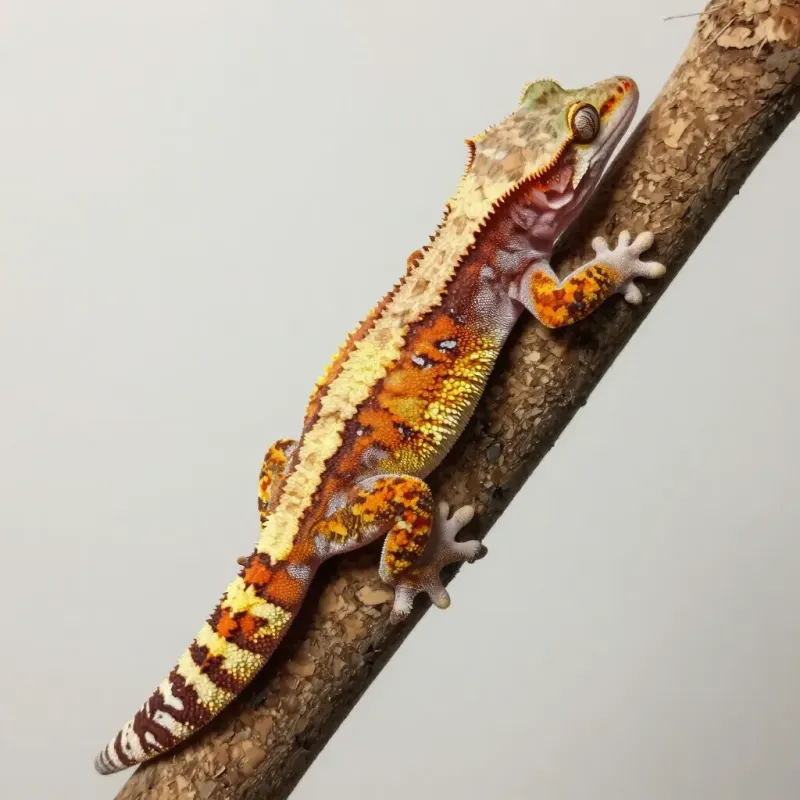

The fundamentals of keeping a healthy leopard gecko.
🦎 Leopard Gecko Care Guide
(Eublepharis macularius)
> Friendly, Hardy & Beginner-Approved! With their smiling faces, docile temperaments, and beautiful pattern varieties, Leopard Geckos are among the most popular and rewarding reptile pets in the world.
>
🏠 1. Enclosure & Housing
Leopard geckos are terrestrial (ground-dwelling) geckos native to dry, rocky grassland and desert regions of the Middle East.
* Enclosure Size:
* Hatchlings/Juveniles: 10 to 20-gallon long tank.
* Adults: 20-gallon long minimum (36x18x18 / 40-gallon enclosure is ideal for a thriving bioactive setup).
* Substrate Options:
* Beginner / Safe: Paper towels, slate tile, or excavator clay.
* Bioactive / Naturalistic: 70/30 mixture of topsoil and play sand (avoid loose calcium sand or fine silica sand, which can cause impaction).
* Hides (Essential): Provide at least 3 hides:
* Warm Hide: Positioned directly over the heat source.
* Cool Hide: Located on the cooler side of the tank.
* Humid Hide: Lined with damp sphagnum moss or paper towel to assist with shedding.
🌡️ 2. Heating & Lighting
As cold-blooded animals, leopard geckos rely on a temperature gradient to regulate their body temperature and digest food.
| Zone | Target Temperature |
|---|---|
| Warm Side (Basking Spot) | 88°F – 92°F |
| Cool Side | 72°F – 78°F |
| Nighttime Drops | Down to 65°F – 72°F (No light at night!) |
* Heating Method: Halogen heat flood lamp or Deep Heat Projector (DHP) connected to a thermostat. Under-tank heating pads can also be used for belly heat.
* UVB Lighting: Highly recommended! A low-output linear UVB bulb (2.4% to 7% ShadeDweller) on a 12-hour day/night cycle supports natural metabolic health and bone density.
🍽️ 3. Diet, Hydration & Supplements
Leopard geckos are strict insectivores and eat only live, moving insects.
* Feeder Insects: Crickets, Dubia roaches, mealworms, and silkworms. Treat insects like waxworms and superworms sparingly.
* Feeding Schedule:
* Juveniles (under 6 months): Daily.
* Sub-Adults (6–12 months): Every 2–3 days.
* Adults: Every 3–4 days (3–5 insects per feeding).
* Dusting & Supplement Schedule:
* Every Feeding: Dust insects with Calcium without D_3 (if using UVB) or Calcium with D_3 (if no UVB).
* 1–2x per Month: Dust insects with a high-quality Multivitamin.
* In-Tank Calcium: Leave a small bottle cap filled with pure calcium (no D_3) inside the enclosure at all times.
* Hydration: Provide a shallow water dish with fresh, dechlorinated water daily.
🧼 4. Handling & Maintenance
* Temperament: Gentle, slow-moving, and easy to handle once acclimated.
* Handling Tip: Let the gecko walk onto your open palm. Never grab a leopard gecko by its tail! They can drop their tail as a defense mechanism (it will regrow, but it takes significant energy).
* Shedding: Geckos shed their skin every few weeks. Ensure their humid hide is moist so they can shed cleanly, especially off their toes and eyelids.
📋 Care Checklist Quick-Ref
* [ ] 20+ Gallon Enclosure with secure lid
* [ ] Heat source regulated by a thermostat
* [ ] 3 Hides (Warm, Cool, Humid)
* [ ] Calcium dish & Supplement powders
* [ ] Shallow water bowl & Live feeder insects