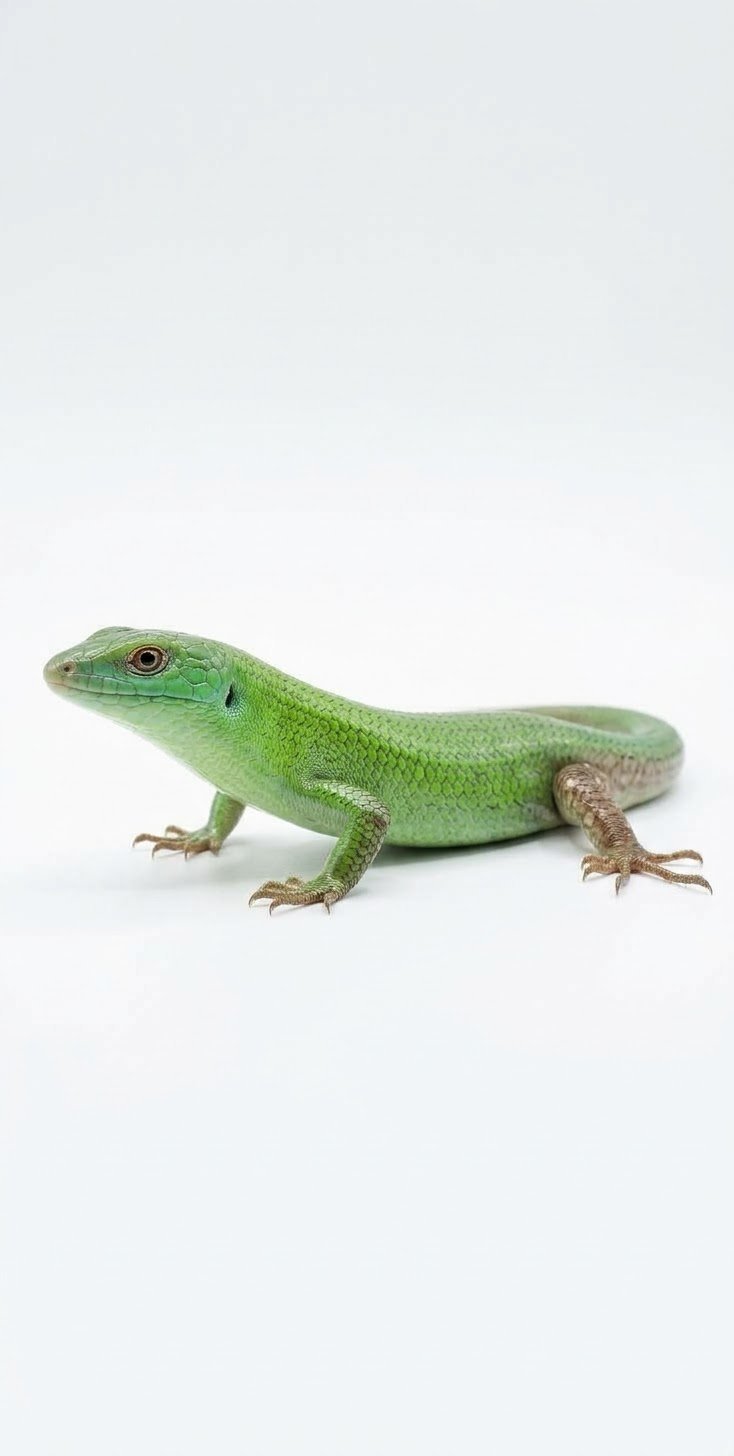
African Fire Skink (Lepidothyris fernandi / Mochlus fernandi)
Lepidothyris fernandi
$110.00
Not available to order online yet — call or text +1 (901) 877-8015.
Description
The African Fire Skink (Lepidothyris fernandi, formerly classified as Mochlus fernandi) is a heavy-bodied, medium-sized lizard belonging to the family Scincidae. Renowned for its intense coloration, this species is native to the tropical rainforests, forested river basins, and dense woodland regions of Central and West Africa.
Physical Appearance & Morphology
* Coloration: Features vibrant crimson or bright orange scales along the lateral flanks, interspersed with bold black and white bar-like striping. The dorsal (top) scales display a sleek, metallic bronze or golden sheen, while the head and limbs are typically dark brown or black.
* Size: Adults reach an average total length of 12 to 15 inches (30 to 38 cm), with the tail accounting for roughly half of their overall length.
* Body Structure: Built with a sturdy, cylindrical body, short sturdy limbs equipped with small claws for digging, a broad head, and smooth, glossy, overlapping scales that allow them to move easily through loose substrate.
Behavior & Temperament
* Burrowing Habits: Highly fossorial (burrowing) and crepuscular, spending a significant portion of their time hidden beneath leaf litter, damp soil, and rotting logs.
* Handling & Disposition: While naturally reclusive and quick to flee when startled, captive individuals generally tolerate gentle handling once acclimated to their environment.
* Social Structure: Best housed individually, as mature specimens—particularly males—can display territorial aggression toward conspecifics.
Captive Care & Environment
* Enclosure Size: A minimum 40-gallon breeder tank (36" x 18" x 18") is recommended for a single adult to provide sufficient floor space.
* Substrate & Decoration: Requires a deep (4–6 inches) moisture-retaining substrate such as a coconut coir, cypress mulch, and sphagnum moss blend to facilitate natural burrowing behaviors. Cork bark tubes, foliage, and underground hides are essential.
* Temperature & Lighting: Needs a thermal gradient with a basking area of 90°F–95°F (32°C–35°C), an ambient side around 75°F–82°F (24°C–28°C), and moderate linear UVB lighting (5.0 / Zone 2) to support vitamin D3 synthesis and calcium processing.
* Humidity: Requires elevated ambient humidity between 70% and 80%, maintained through daily misting and damp substrate layers, alongside a broad, shallow water dish.
Diet & Nutrition
* Feeding: Strictly insectivorous. Primary prey includes gut-loaded crickets, dubia roaches, mealworms, superworms, and hornworms, supplemented with occasional waxworms or soft-bodied larvae.
* Supplementation: Dust insects with calcium with D3 at every other feeding for juveniles and weekly for adults, alongside a multivitamin supplement bi-weekly.
Lifespan
With proper husbandry, dietary variation, and optimal environmental parameters, African Fire Skinks typically live 15 to 20 years in captivity.
Read more (1 min)Show less
Identity & origin
Species: Lepidothyris fernandi
Captive-bred: Yes
Sex: Group
Age: Adults
Habitat & environment
Enclosure: An adult African Fire Skink requires a minimum 40-gallon breeder glass terrarium (36" L x 18" W x 18" H) focused on floor space rather than height. Key Requirements Substrate: Needs 4–6 inches of deep, moisture-retaining substrate for burrowing (e.g., a mix of coconut coir, cypress mulch, sphagnum moss, and organic topsoil). Temperatures: Basking spot: 90°F – 95°F (heated with an overhead halogen or incandescent bulb). Warm side ambient: 82°F – 85°F. Cool side ambient: 75°F – 78°F (nighttime drops to 70°F are fine). Lighting: A linear 5.0 / Ferguson Zone 2 UVB light spanning 50%–70% of the enclosure to support vitamin D3 and calcium absorption. Humidity: Keep at 70% – 80%. Maintain this via daily misting, a damp bottom substrate layer, and a heavy cover of leaf litter. Decor & Hides: Provide underground cork bark tubes, flat rocks under the basking light, leaf litter, and a broad, shallow water bowl large enough for soaking.
Decor: When decorating an African Fire Skink enclosure, prioritize hiding spots, subterranean tunnels, and enrichment that accommodates their heavy burrowing habits. Functional Decor Essentials * Substrate Cover & Leaf Litter: A thick 1–2 inch layer of dried oak or magnolia leaf litter on top of the substrate. This holds humidity, hides the surface, and encourages natural foraging behaviors. * Hides & Shelter: * Half-log rounds and curved cork bark flats partially buried in the substrate to serve as entry points to burrows. * At least two dedicated hides—one on the warm side and one on the cool side. * A humid hide filled with damp sphagnum moss to assist during shed cycles. * Basking Rocks: Broad, flat slate or river stones placed under the overhead heat lamp. Slate absorbs and radiates belly heat efficiently, aiding in digestion. * Low Climbing Branches: Smooth driftwoods, manzanita, or sturdy cork branches placed low to the ground. While not fully arboreal, they will climb low structures to bask or explore. * Shallow Water Bowl: A heavy, tip-resistant dish big enough for the skink to fully soak in, kept clean with fresh water daily. Plants & Visual Coverage * Live Plants (Bioactive Setup): Sturdy species like Pothos, Snake Plants (Sansevieria), ZZ plants, and Cast Iron plants. Note: Secure plant roots inside protective pots within the substrate, as fire skinks will uproot delicate flora while digging. * Artificial Plants: Heavy-base silk or plastic foliage around the perimeter to break line-of-sight and make the skink feel secure enough to come out into the open.
Substrate: African Fire Skinks require 4 to 6 inches of deep, moisture-retaining substrate to support their natural burrowing behaviors. Ideal Substrate Blends * Standard Bioactive/Natural Mix: * 50% Organic topsoil (chemical/fertilizer-free) * 30% Coconut coir or eco-earth * 10% Cypress mulch or bark chips * 10% Sphagnum moss and playsand mix * Commercial Pre-mixes: BioShield/BioDude Terra Sahara or Terra Fauna, or basic coconut coir mixed with cypress mulch. Key Substrate Guidelines * Moisture Gradient: The bottom layers should remain consistently damp (not waterlogged) to maintain humidity, while the top surface layer can dry out slightly to prevent scale rot. * Top Layer: Always top with a heavy 1 to 2-inch layer of dried leaf litter (oak, magnolia, or beech). This prevents substrate from drying out too fast and gives them security when moving on the surface. * Avoid: Cedar/pine shavings (toxic oils), pure play sand (causes impaction/drying), coconut husk chips alone (too rough for burrowing), and calcium sand.
Temperature: African Fire Skinks require a warm-to-cool temperature gradient so they can thermoregulate efficiently: * Basking Spot: 90°F – 95°F (32°C – 35°C) * Achieved using an overhead heat lamp (halogen or incandescent flood bulb) focused over a flat basking slate or rock. * Warm Side Ambient: 82°F – 85°F (28°C – 29°C) * Cool Side Ambient: 75°F – 78°F (24°C – 26°C) * Nighttime Drop: 70°F – 75°F (21°C – 24°C) * As long as room temperature stays above 68°F at night, heating elements can be turned off entirely to mimic natural day/night cycles. Note: Avoid using heat mats or heat rocks underneath the tank, as Fire Skinks burrow to cool down and can burn themselves digging directly onto an unmonitored bottom heat source.
Humidity: African Fire Skinks require high ambient humidity between 70% and 80%. Key Requirements * Maintenance: Mist the enclosure thoroughly 1–2 times daily, or use an automated misting system. * Substrate Moisture: Keep the lower layers of the 4–6 inch substrate damp (not dripping wet) while allowing the top leaf litter layer to remain slightly drier to prevent scale rot. * Humid Hide: Provide a underground or surface hide packed with damp sphagnum moss to aid in smooth shedding. * Water Access: Keep a wide, shallow water dish available at all times for soaking and drinking.
Feeding & behavior
Feeding: African Fire Skinks are voracious, strictly insectivorous feeders with high metabolisms. Primary Diet (Insects) Feed a diverse mix of live, gut-loaded insects sized appropriately (no larger than the space between the skink's eyes): * Staples: Dubia roaches, crickets, discoid roaches, and red runner roaches. * Varieties/Treats: Mealworms, superworms, hornworms, black soldier fly larvae, and occasional waxworms or butterworms. Feeding Schedule * Juveniles (under 6 months): Feed daily, offering as many insects as they can consume in 10–15 minutes. * Sub-adults & Adults: Feed every 2 to 3 days (approx. 4–6 adult roaches or crickets per feeding). Supplementation * Calcium with D3: Dust insects every feeding for juveniles; every other feeding for adults. * Multivitamin: Dust insects once every 1–2 weeks. Note: Always offer insects in a shallow dish or via tong-feeding to prevent them from hiding in the deep substrate before the skink can catch them.
Behavior: African Fire Skink Behavior Overview * Semi-Fossorial & Burrowing: They spend a significant portion of their time underground, digging tunnels or hiding under leaf litter and cork bark. * Diurnal Activity Pattern: They are active during the day, coming out to bask, hunt, or explore—especially when expecting food. * Shy & Secretive Initially: New or unacclimated individuals tend to be skittish and quick to flee underground when startled. * Food-Driven & Trainable: They are voracious eaters with a strong food response; over time, they learn to associate their keeper's presence (or tongs) with food and will readily come out to feed. * Handling & Temperament: With consistent, gentle interaction, most become docile and tolerate handling well, though they are fast and streamlined, so care should be taken to support their full body and avoid grabbing them by the tail. * Solitary Disposition: They are territorial species and best housed individually to prevent aggression, particularly between males.
Breeding & sexing: Behavior * Fossorial & Burrowing: Highly driven to burrow, spending much of their time navigating underground tunnels or hiding beneath leaf litter and cork bark. * Diurnal / Crepuscular Activity: Active during the day and twilight hours. While naturally secretive, they frequently emerge to bask, forage, or wait for food once acclimated. * Voracious Food Response: Highly motivated by food. They quickly learn to associate tongs or their keeper's presence with meals and will readily come to the front of the enclosure. * Handling & Temperament: Generally calm and docile with regular, gentle interaction. Because they are sleek, fast, and powerful diggers, handle them low to the ground and never grab them by the tail. * Solitary Nature: Highly territorial—especially mature males. Adult Fire Skinks should be housed individually unless paired specifically for breeding. Breeding * Sexual Dimorphism: Males typically feature broader heads, thicker bodies, brighter lateral coloration, and larger pre-cloacal pores than females. * Brumation / Cycling: Successful breeding often requires a cool, dry cycling period lasting 6 to 8 weeks (dropping ambient temperatures to 70°F–75°F and lowering misting frequency) to stimulate gamete production. * Courtship & Copulation: When reintroduced after cycling, the male will track the female, grip her neck or flank with his jaws, and maneuver into copulation. Monitor closely for extreme aggression. * Gestation & Egg Laying: Females lay clutches approximately 4 to 6 weeks post-copulation. Provide a dedicated nesting box filled with damp sphagnum moss or moist vermiculite deep in the substrate. * Clutch Size & Frequency: A healthy female typically lays 5 to 9 eggs per clutch and can produce 2 to 3 clutches per season if properly nourished. * Incubation: Eggs should be incubated in sealed containers with damp vermiculite or perlite (1:1 water to substrate ratio by weight) at 82°F – 86°F (28°C – 30°C). * Hatching: Eggs hatch after roughly 40 to 50 days of incubation. Hatchlings will absorb their yolk sacs and should be housed individually or in small, closely monitored sibling groups with high humidity.
Safety & care notes
Venom / safety: Non-venomous
African Fire Skink Care Sheet
Quick Specs
* Species: African Fire Skink (Lepidothyris fernandi)
* Adult Size: 12–15 inches
* Lifespan: 15–20+ years
* Temperament: Reclusive, burrowing, docile with gentle handling
* Housing: Solitary (house individually)
1. Enclosure & Substrate
* Minimum Size: 40-gallon breeder terrarium (36" L x 18" W x 18" H) focused on floor space.
* Substrate Depth: 4–6 inches of moisture-retaining substrate (organic topsoil, coconut coir, cypress mulch, and sphagnum moss blend).
* Ground Cover: 1–2 inches of dried oak or magnolia leaf litter over top to retain moisture and provide security.
2. Temperature & Lighting
* Basking Spot: 90°F–95°F (overhead heat bulb on slate/flat rock).
* Warm Side Ambient: 82°F–85°F
* Cool Side Ambient: 75°F–78°F (nighttime drop down to 70°F is safe).
* UVB: Linear 5.0 / Ferguson Zone 2 UVB lamp across 50%–70% of the enclosure on a 12-hour light cycle.
* Note: Do not use heat mats under the tank, as digging onto unmonitored bottom heat causes severe burns.
3. Humidity & Water
* Ambient Humidity: 70%–80% (mist thoroughly 1–2 times daily).
* Substrate Moisture: Maintain a damp bottom substrate layer while letting top leaf litter remain relatively dry to avoid scale rot.
* Hides & Soaking: Provide a moist subterranean hide filled with sphagnum moss, alongside a broad, shallow water bowl for soaking.
4. Diet & Supplements
* Primary Diet: Live, gut-loaded insects (Dubia roaches, crickets, mealworms, superworms, hornworms, black soldier fly larvae).
* Feeding Schedule:
* Juveniles: Daily (as many as consumed in 10–15 mins).
* Adults: Every 2–3 days (4–6 adult insects per feeding).
* Supplements:
* Dust insects with Calcium + D3 every feeding for juveniles; every other feeding for adults.
* Dust with a Multivitamin once every 1–2 weeks.